Top Laser Technology Trends Driving Manufacturing in 2026
Laser technology continues to push manufacturing forward. In 2026, equipment is faster, more precise, and more efficient than ever. For fabrication shops and metal manufacturers, these advancements are improving productivity, quality, and long term cost control.
1. Smarter Automation in Laser Systems
Modern laser machines now include advanced software that automatically adjusts cutting paths, optimizes nesting layouts, and monitors machine performance. These improvements reduce material waste, improve repeatability, and minimize downtime. For high volume production environments, this leads to more consistent results and better overall efficiency.
2. Advanced Beam Control and Shaping
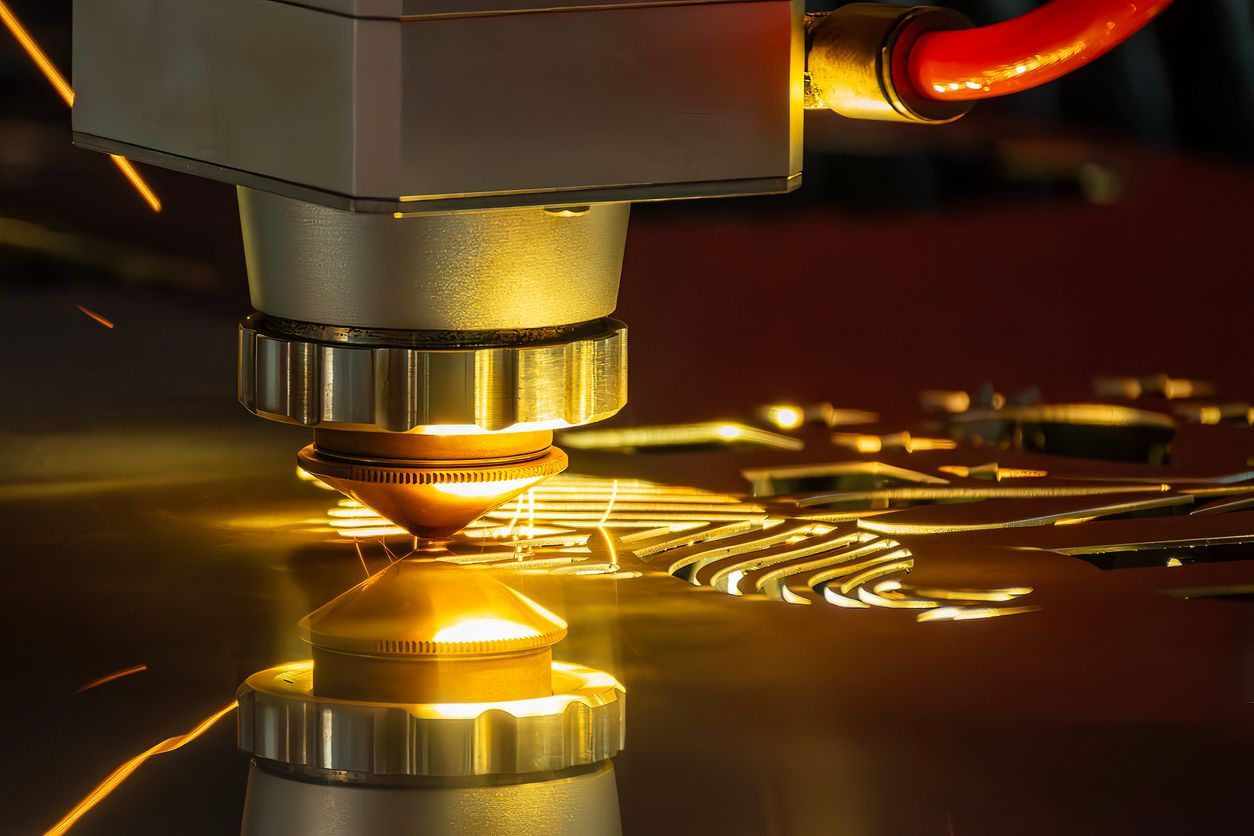
New developments in beam control allow operators to adjust the shape and intensity of the laser during the cutting process. Better control over heat input reduces warping and improves edge quality, especially when working with thin materials or complex geometries. This level of precision helps reduce secondary finishing work.
3. Hybrid Manufacturing Workflows
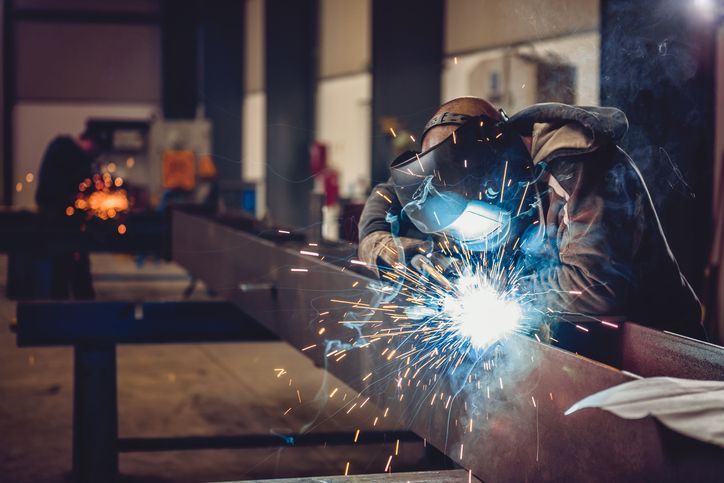
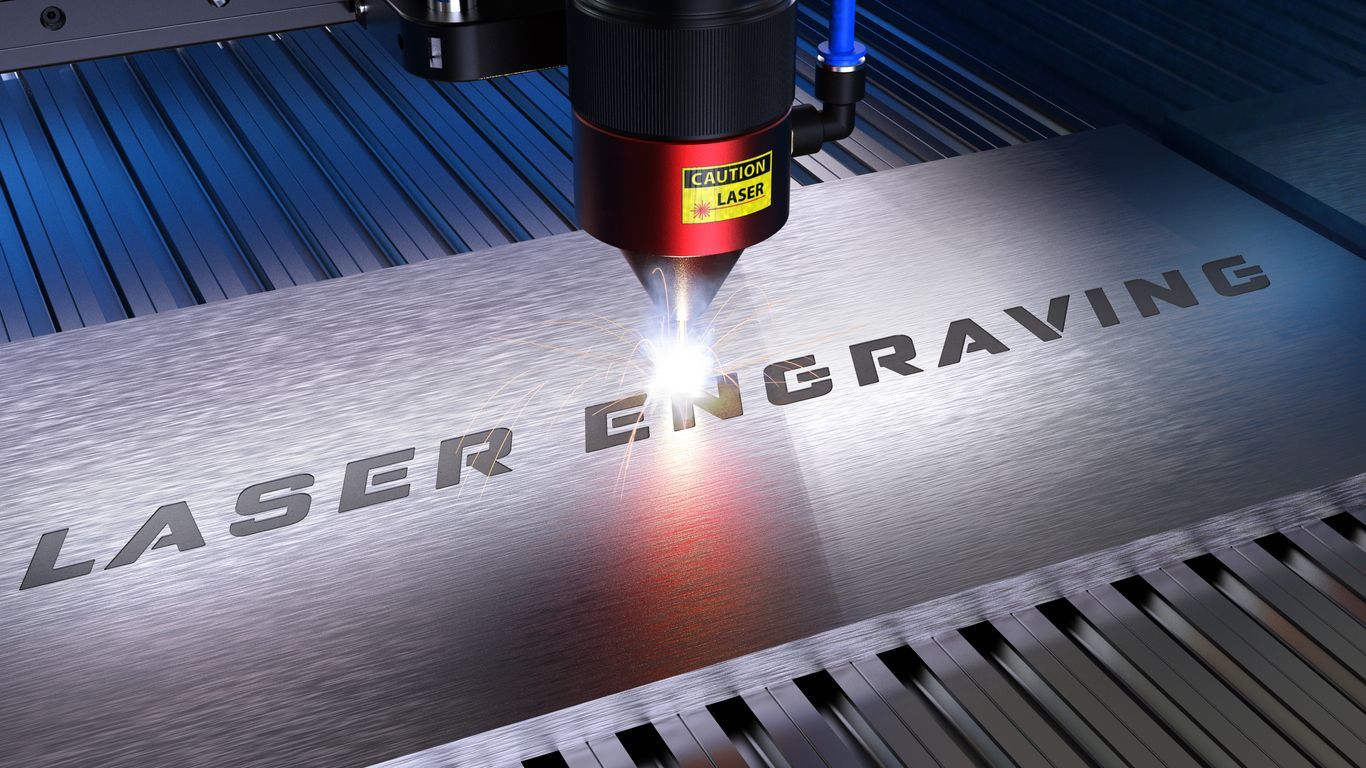
Laser systems are increasingly integrated with other manufacturing technologies. Shops can combine laser cutting, engraving, and welding with processes such as CNC machining and metal forming in streamlined workflows. This improves turnaround times and expands design flexibility for custom fabrication projects.
4. Improved Energy Efficiency
Energy efficiency continues to be a major focus in manufacturing. Modern fiber laser systems consume less power than older technologies while delivering higher performance. Reduced energy use not only lowers operating costs but also supports more sustainable production practices.
5. Faster Cutting Speeds with Higher Precision
Manufacturers are seeing measurable gains in cutting speed without sacrificing accuracy. Advances in motion systems and beam delivery allow for tighter tolerances and cleaner edges. This is especially valuable in industries that demand precision, including aerospace, automotive, and medical manufacturing.
6. Real Time Monitoring and Performance Tracking
Today's laser equipment often includes built in monitoring systems that track performance metrics throughout the cutting process. Operators can identify potential issues early, maintain quality standards, and keep production running smoothly. This improves reliability and reduces unexpected machine downtime.
7. Expanding Applications Across Industries
Laser technology continues to expand beyond traditional cutting applications. From precision welding and marking to surface texturing and custom engraving, lasers are playing a larger role across multiple industries. As the technology becomes more accessible, more manufacturers are investing in laser systems to stay competitive.
Looking Ahead
As manufacturing continues to evolve, laser technology remains at the center of innovation. Faster systems, greater precision, improved efficiency, and broader capabilities are shaping the future of fabrication. For companies that rely on quality and performance, staying current with these trends is essential for long term success.